
Why Reheating Food More Than Once Can Be Risky
Many people reheat food repeatedly, but bacteria can multiply during cooling and reheating cycles—keep reading to learn the safest way to reheat.

Many people reheat food repeatedly, but bacteria can multiply during cooling and reheating cycles—keep reading to learn the safest way to reheat.
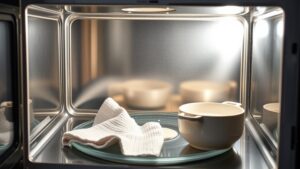
Melt away grease splatter in your microwave using steam and simple wipes, but stubborn burns need an extra step you won’t want to skip.
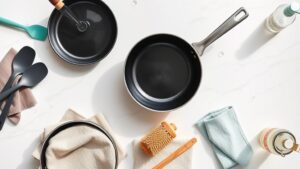
S**oft silicone scrubbers and non-scratch tools lift grease safely from nonstick surfaces—discover the best options and the right order to finish spotless.
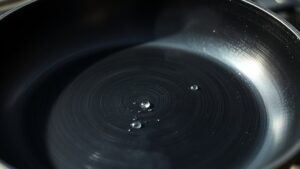
Cooking sprays can leave a baked-on polymer film on nonstick pans as oils volatilize unevenly, which can oxidize and turn tacky—read on to fix it.

Juggling hot cookware safely is easier with heat-smart techniques like secure gripping and steam control—read on to avoid painful slips.
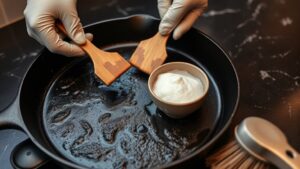
Lessen stubborn grease on your grill pan using a gentle salt or baking-soda paste, then lift grime safely—discover the next step for truly baked-on spots.
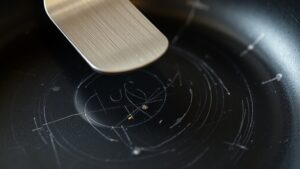
Like tiny keys on glass, metal utensils scrape nonstick coatings into micro-gouges that make food stick more—so what can you use instead?

Take control of nonstick longevity by comparing dishwasher vs hand washing—temperature, detergent, and scratches may already be costing you performance.

P**repare to banish lingering microwave food odors with simple cleaning tricks, but first you must find the real source before it returns.

Jolting steam burns happen because steam condenses on skin and releases intense heat, but careful handling and proper safeguards could prevent them—read on.